Immersive AI Art Installation
Using embodied interaction to build a gamified storytelling experience.
Immersive AI Art Installation
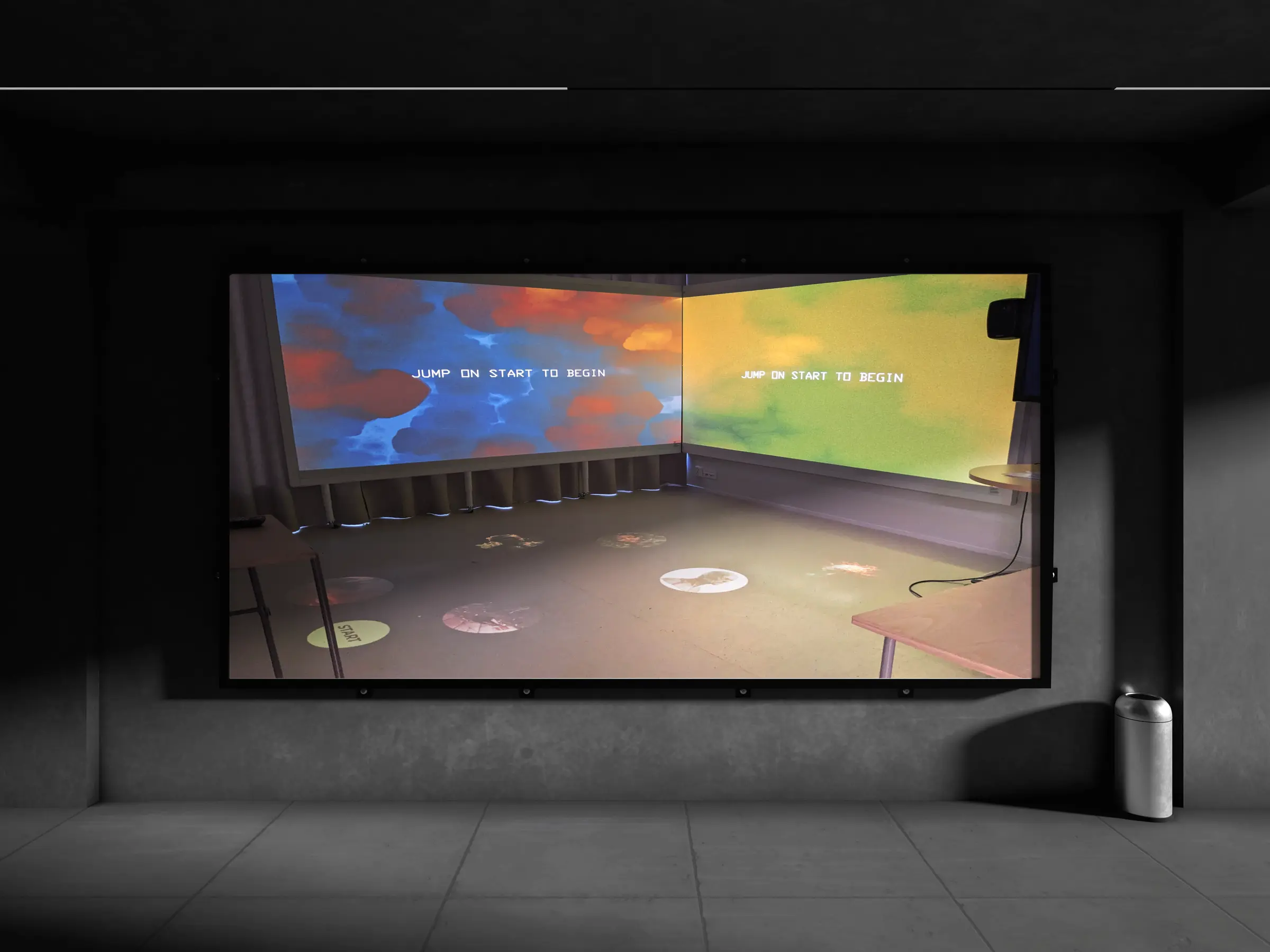
Combined embodied interaction and AI to build an interactive gamified storytelling experience for installation. The project objective was to use Embodied Interaction to build a new kind of storytelling game experience. An Immersive AI Art installation that provides storytelling and gaming experience at the same time. Providing autonomy to the player to choose and listen to their perspective and engage with the characters.
My Role
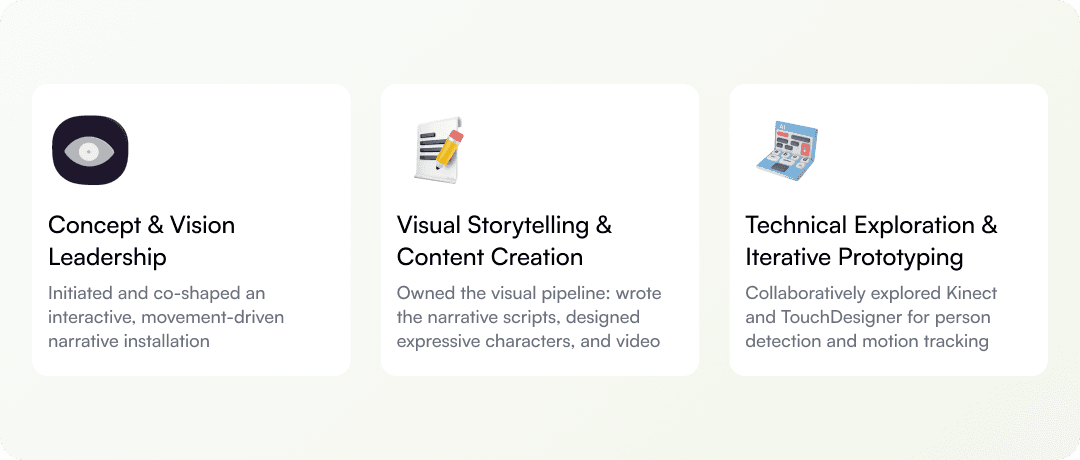
Initiated the core idea for an interactive, movement-based narrative art installation in collaboration with one teammate.
Key Experience Design
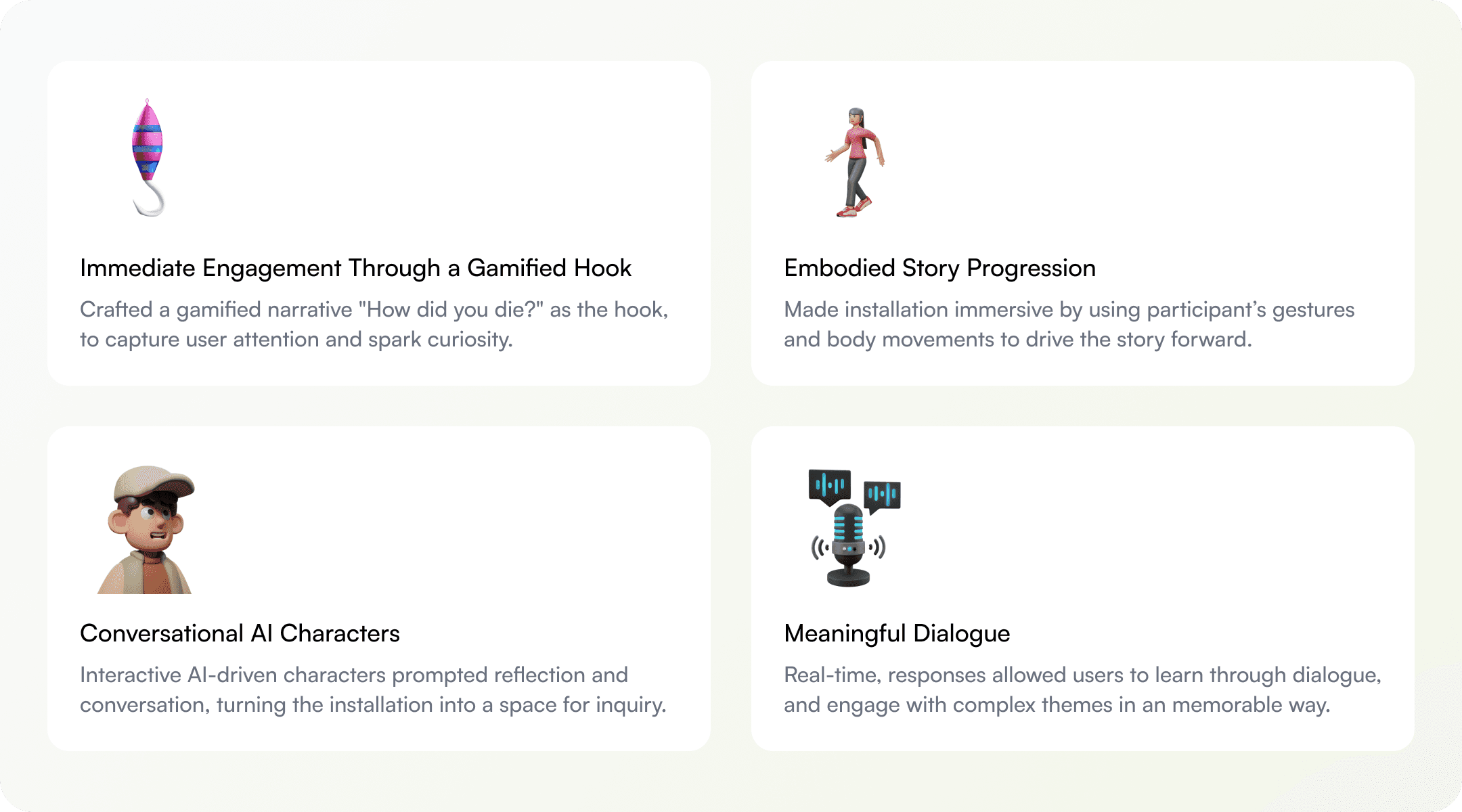
The experience was designed to be immersive, intuitive, and emotionally engaging, with the participant’s body acting as the primary interface.
Inspiration
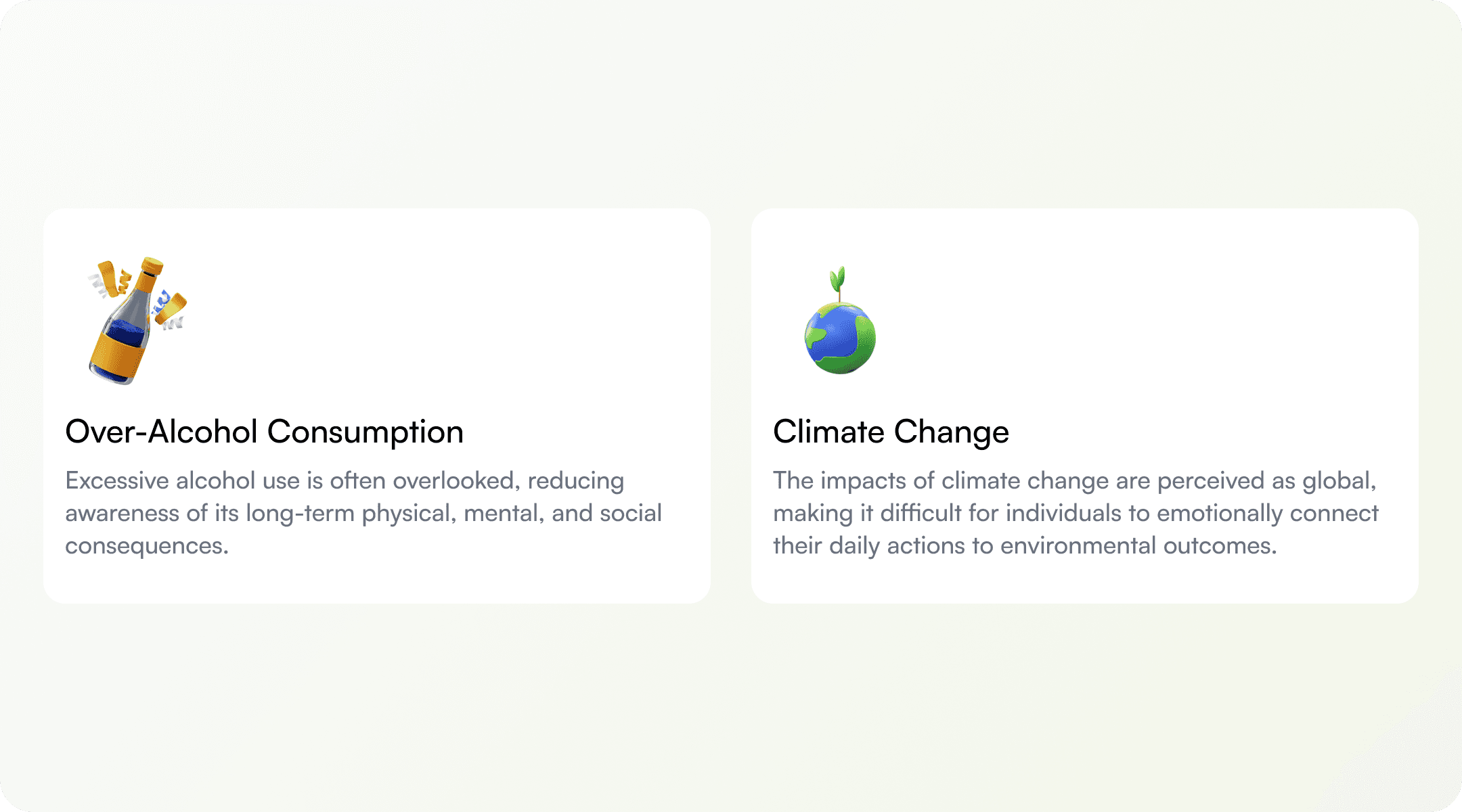
Bring awareness among the people related to the topics of present-day needs.
The Experience
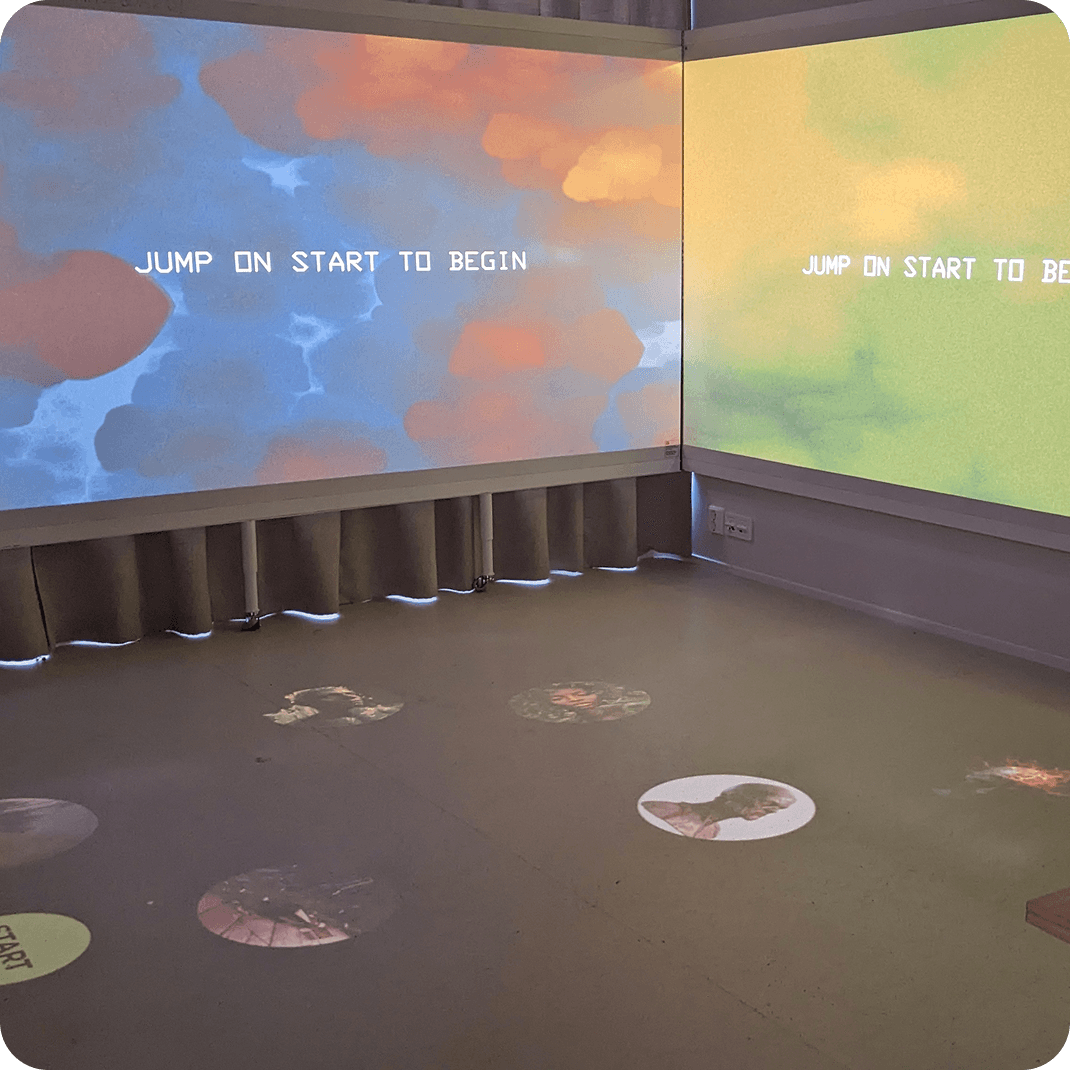
A floor-projected interactive installation where visitors navigate a space populated by AI characters, each representing a different social perspective. Movement becomes the interface: jumping activates characters and stepping on a figure opens a live conversation powered by ChatGPT. Visuals created with Midjourney and animated with D-ID Studio give each character a distinct identity and presence.
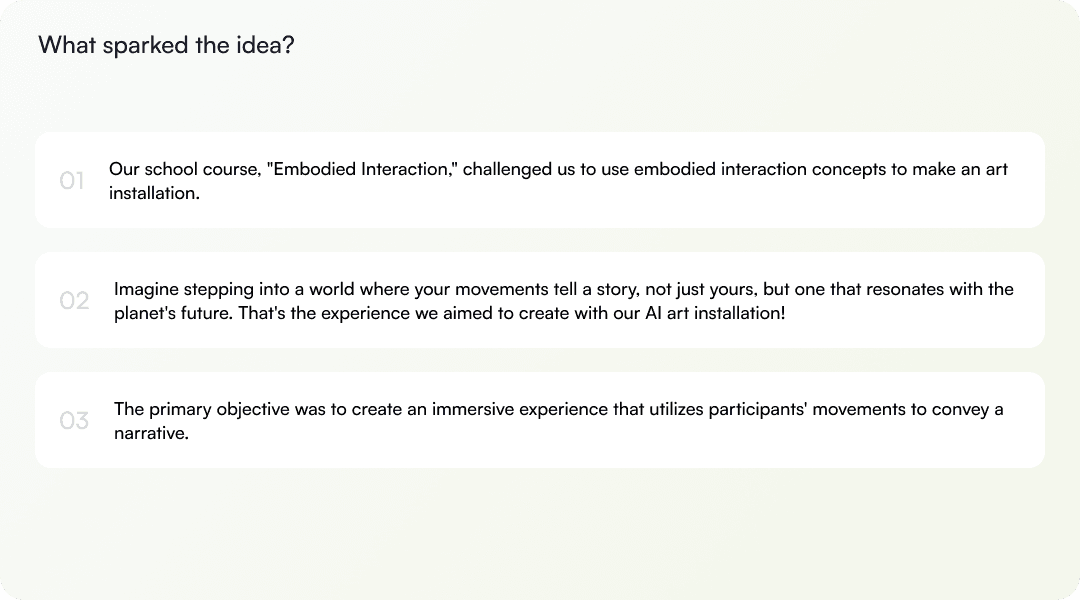
What sparked the idea?
I wanted to explore how movement could drive a story and make people feel more involved in the experience.
Tools & Tech
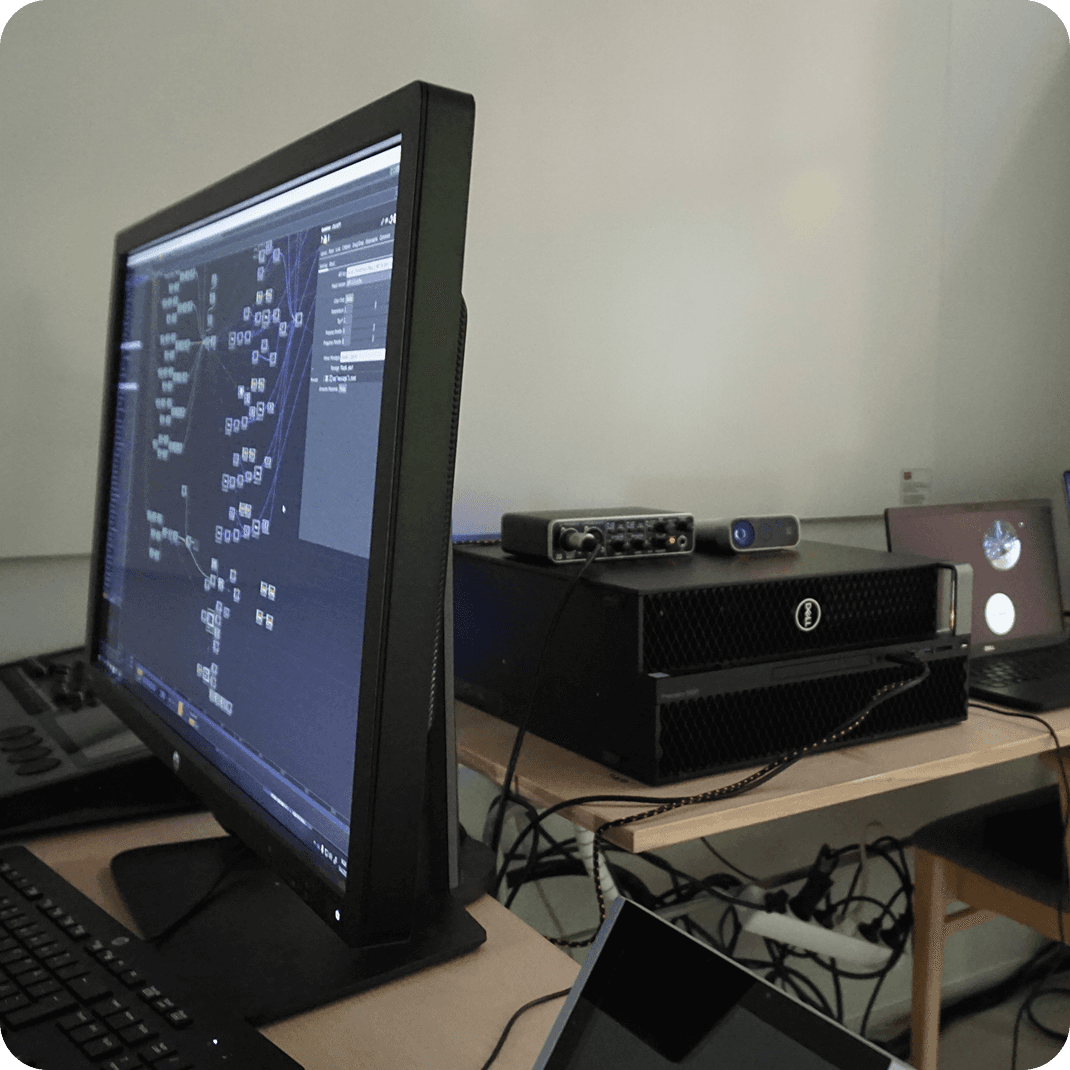
Touchdesigner acted as the primary software to run the whole installation smoothly. Everything was integrated into it, from detection, tracking, to audio visual display.
Used Midjourney for character and background images, and D-ID Studio for fully AI-driven character videos after testing several platforms.
ChatGPT generated the characters’ responses, enabling dynamic interaction.
Installation Building Process
Choose the type of Interaction
Choose jumping as a simple action to get started, and stepping on the character projected on the ground to interact.
Narrative Building
The characters related to the topic were designed with Midjourney, and videos were made with D-ID studio.
Installation of tools & tech
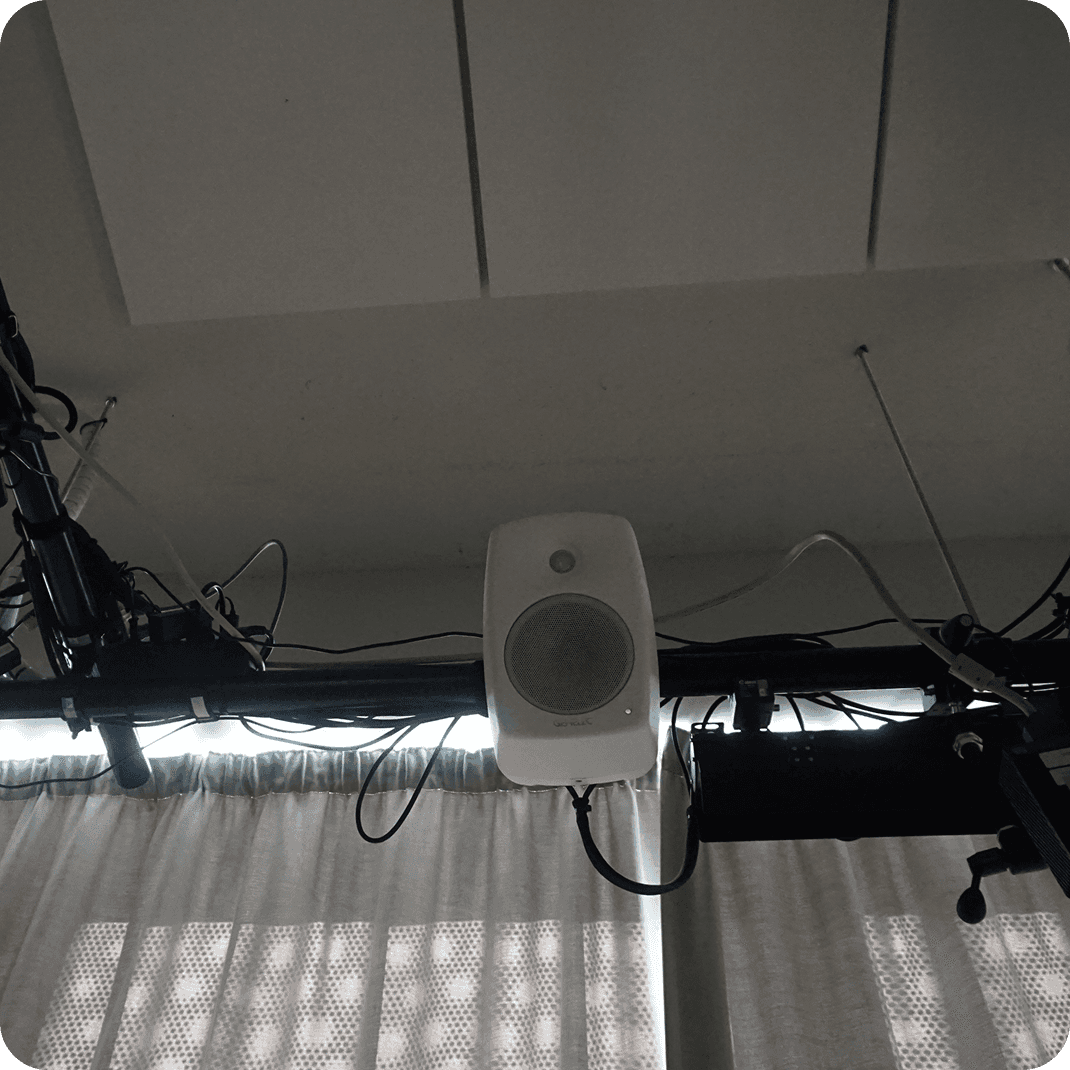
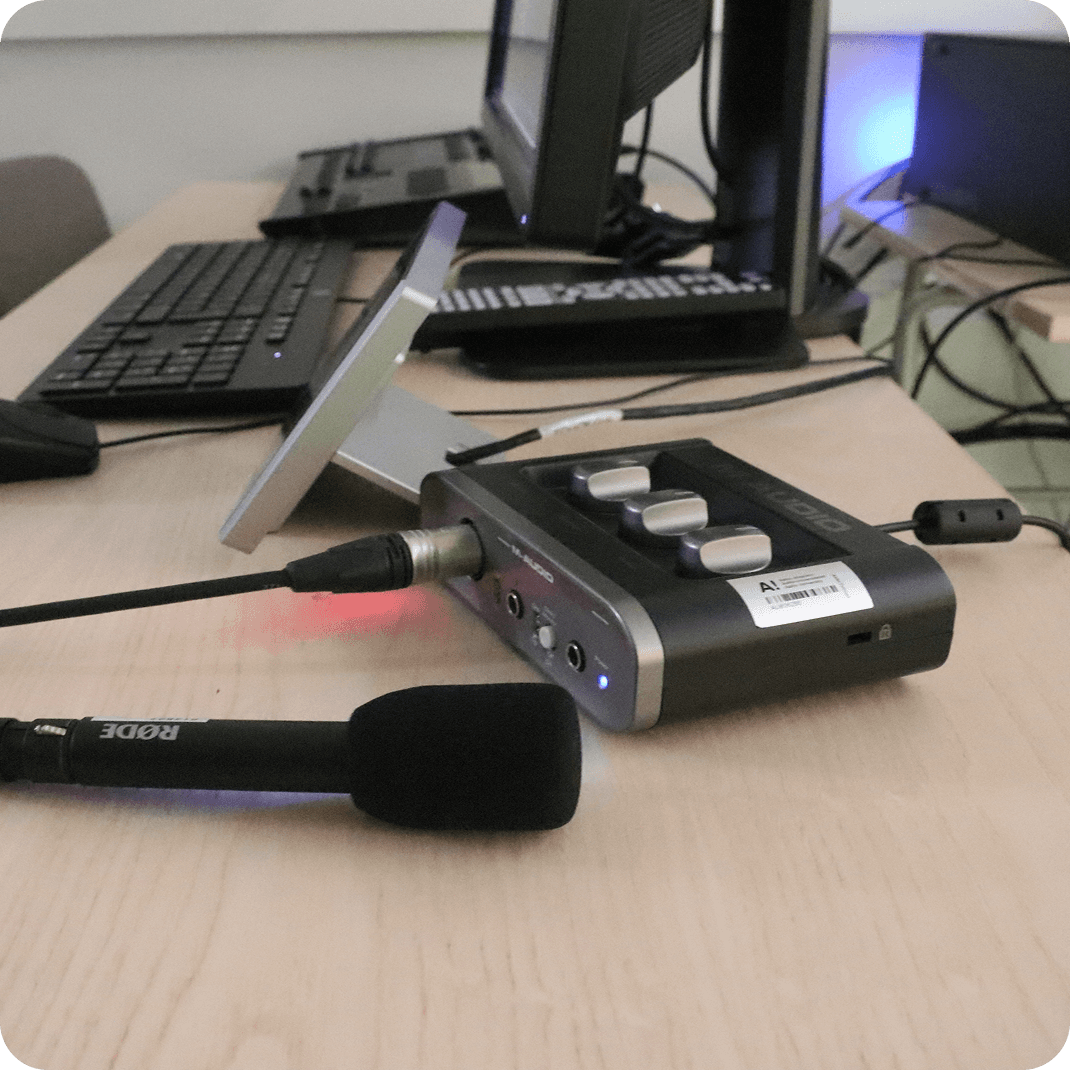
Additional projectors, speakers, microphone were arranged, and the whole installation setup was done.
Testing with the complete setup
Testing was done before the demo day to fine-tune the position markers for a smooth run.
Testing
The technical part required extensive testing and fine-tuning of parameters, including display, audio, and motion tracking. In-room testing was crucial to ensure precise detection of movement and accurate projection mapping on the floor. We iterated frequently to align visuals and responses seamlessly, ensuring everything functioned smoothly for the final demonstration.
FINAL DESIGNS
Storyboard & Character Narratives
Characters representing distinct social perspectives were designed with Midjourney and brought to life as AI video personas through D-ID Studio. Each character's narrative was carefully crafted to provoke thought and invite engagement through embodied physical interaction.
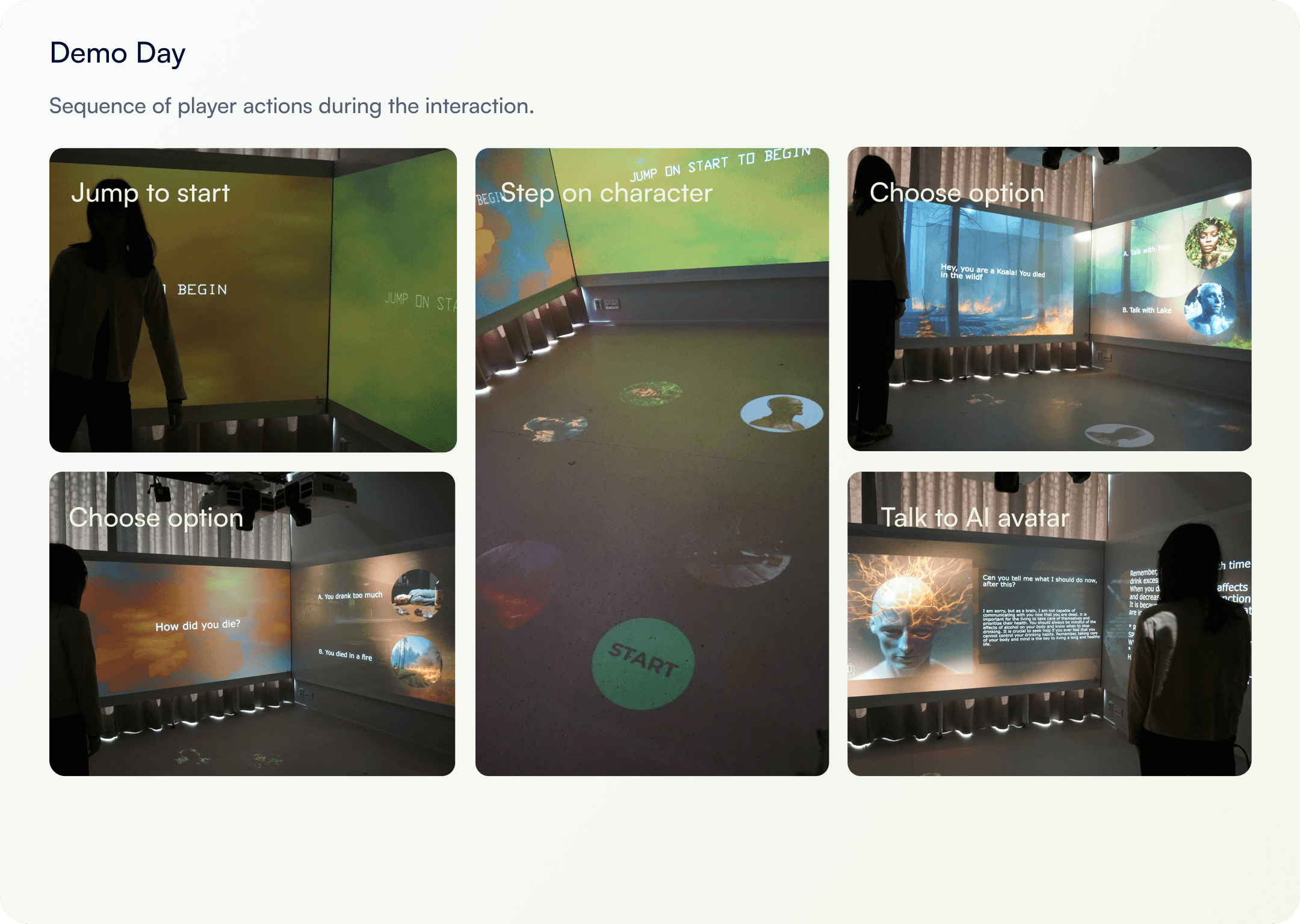
The Installation in Action
Visitors step onto projected character tiles, triggering real-time AI-generated responses. The physical act of choosing which character to interact with gives visitors agency within the narrative, making each experience unique and deeply personal.
Reflections & Learnings
This project was my first step into designing an immersive art installation, and it reshaped how I think about experience design.