Hearing Health Assessment Platform
Applying usability engineering to optimize the user experience of the hearing health assessment application.
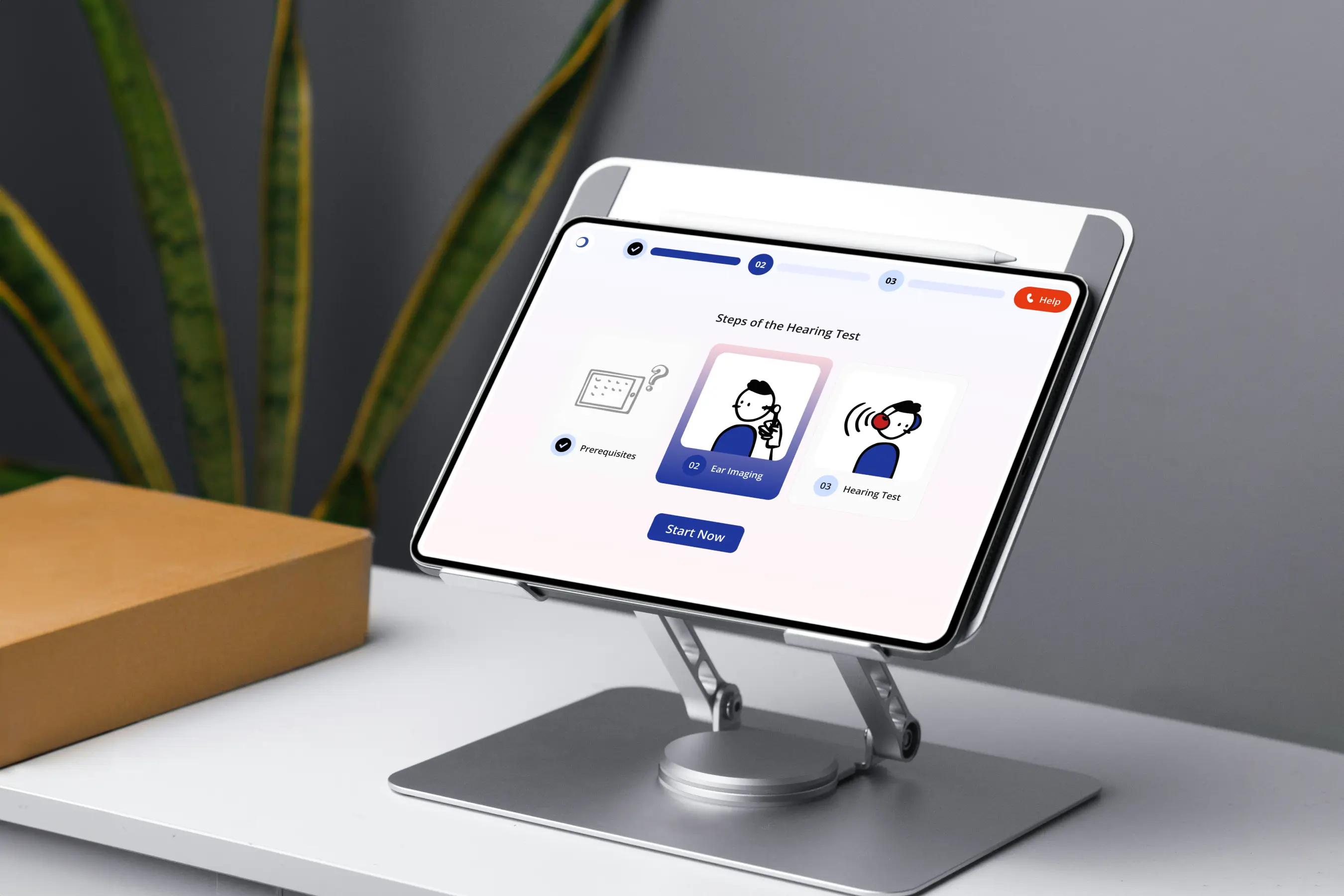
Hearing Health Assessment Platform
Hearing loss has emerged as a global challenge due to the increasing aging population. To address this, Otos aimed to design a tablet-based application to enable older patients to perform self hearing screening test effortlessly. The usability engineering process described in the IEC 62366-1 standard was followed, and formative usability evaluation of the designed hearing health assessment process was conducted.
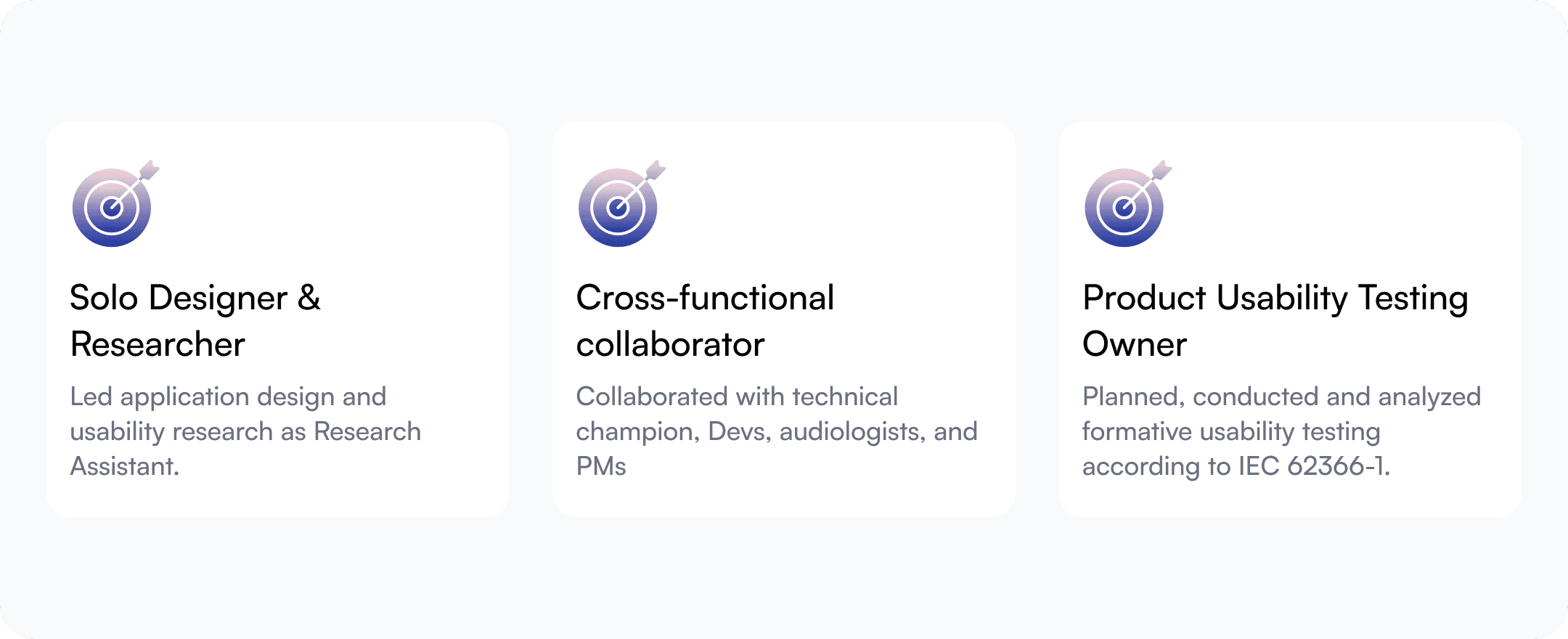
My Role
As part of my master's thesis, I led the design and usability research for a multidisciplinary project in collaboration with the founding team.
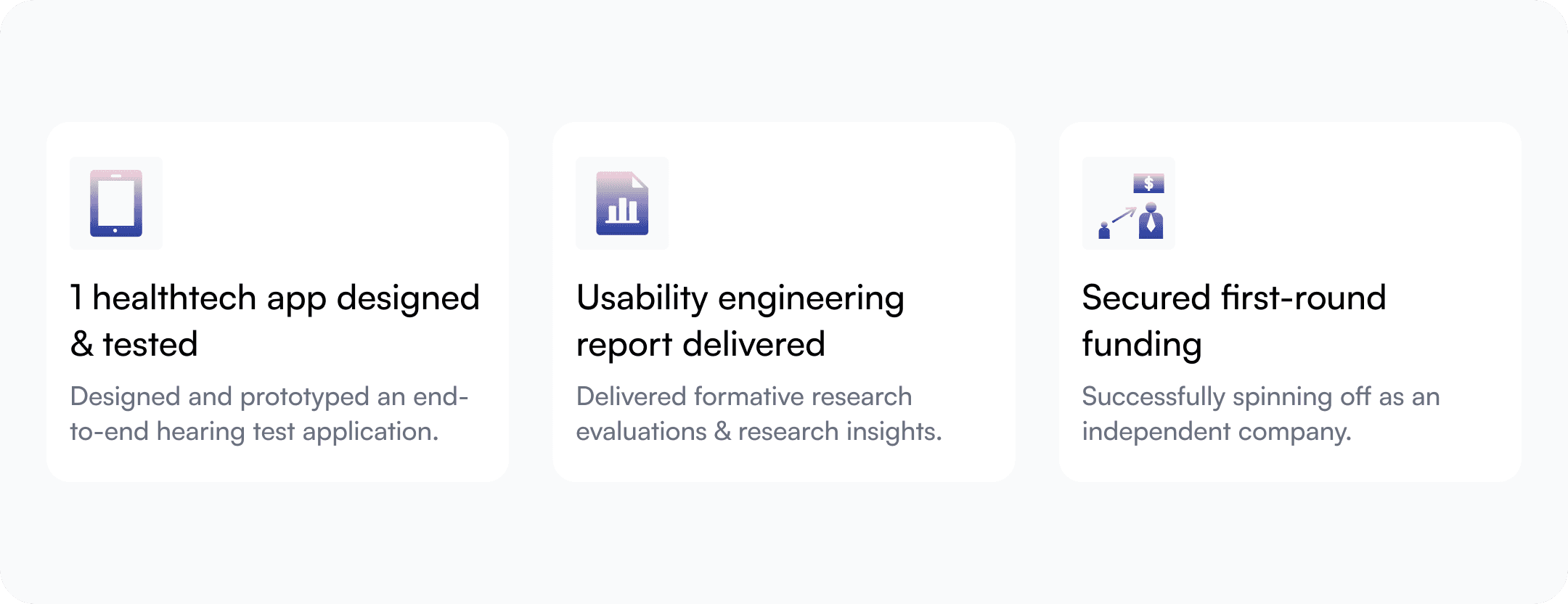
Outcome & Impact
The project resulted in the successful design and validation of a user-centered, end-to-end hearing health assessment experience that supports independent use by lay users, including older adults.
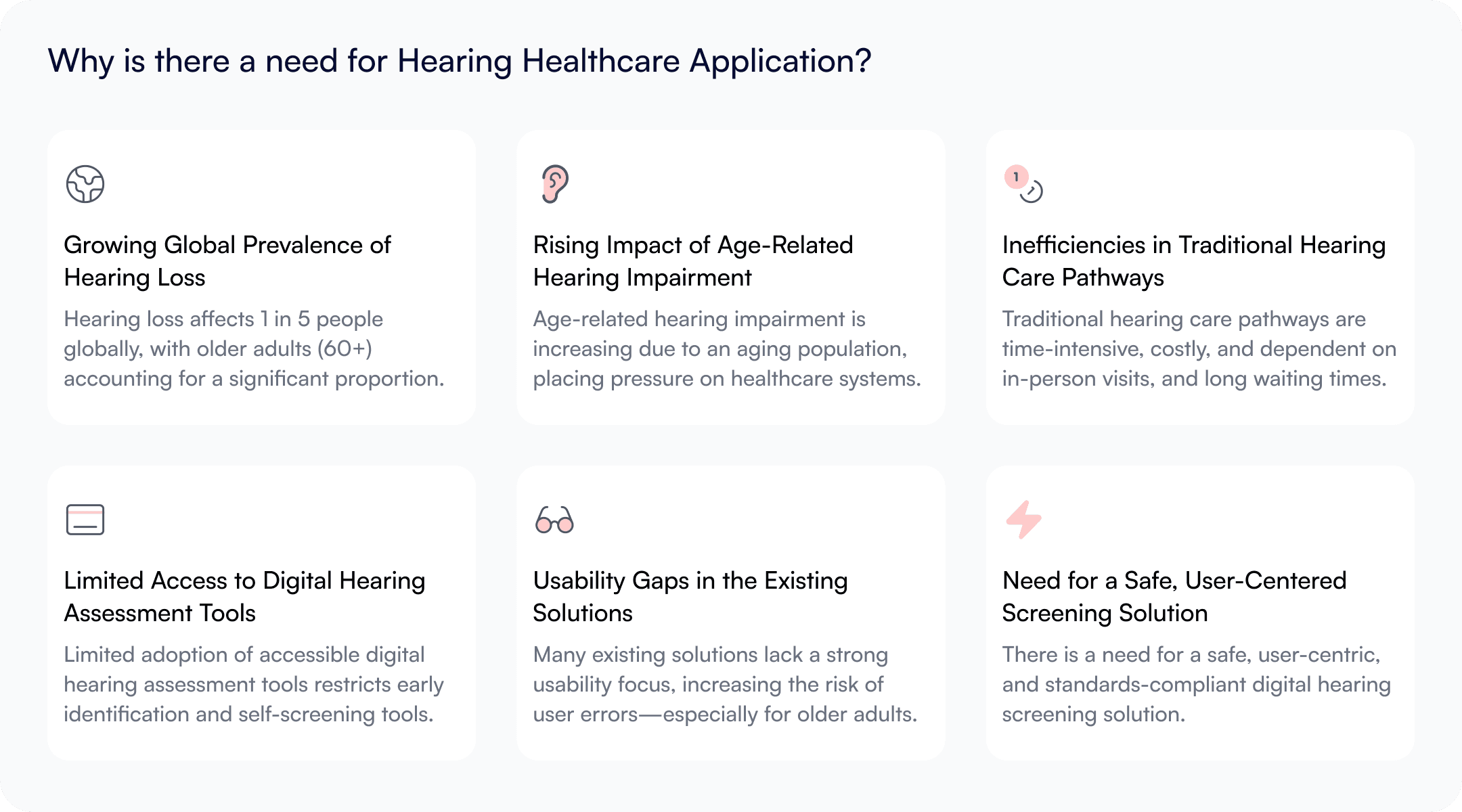
Defining Problem
The major challenges identified in this project are outlined below, shaping the design and research direction of the solution.
The Solution
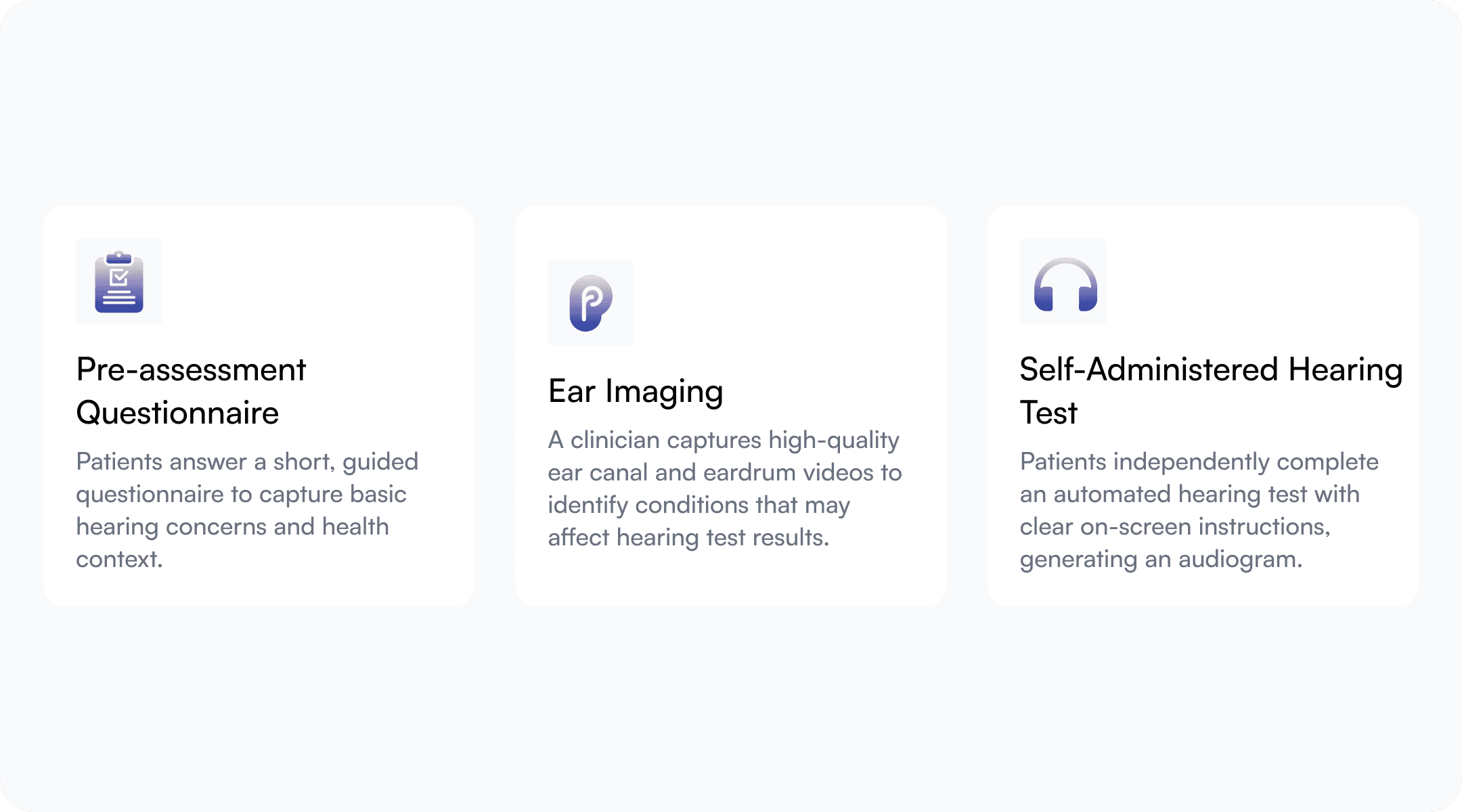
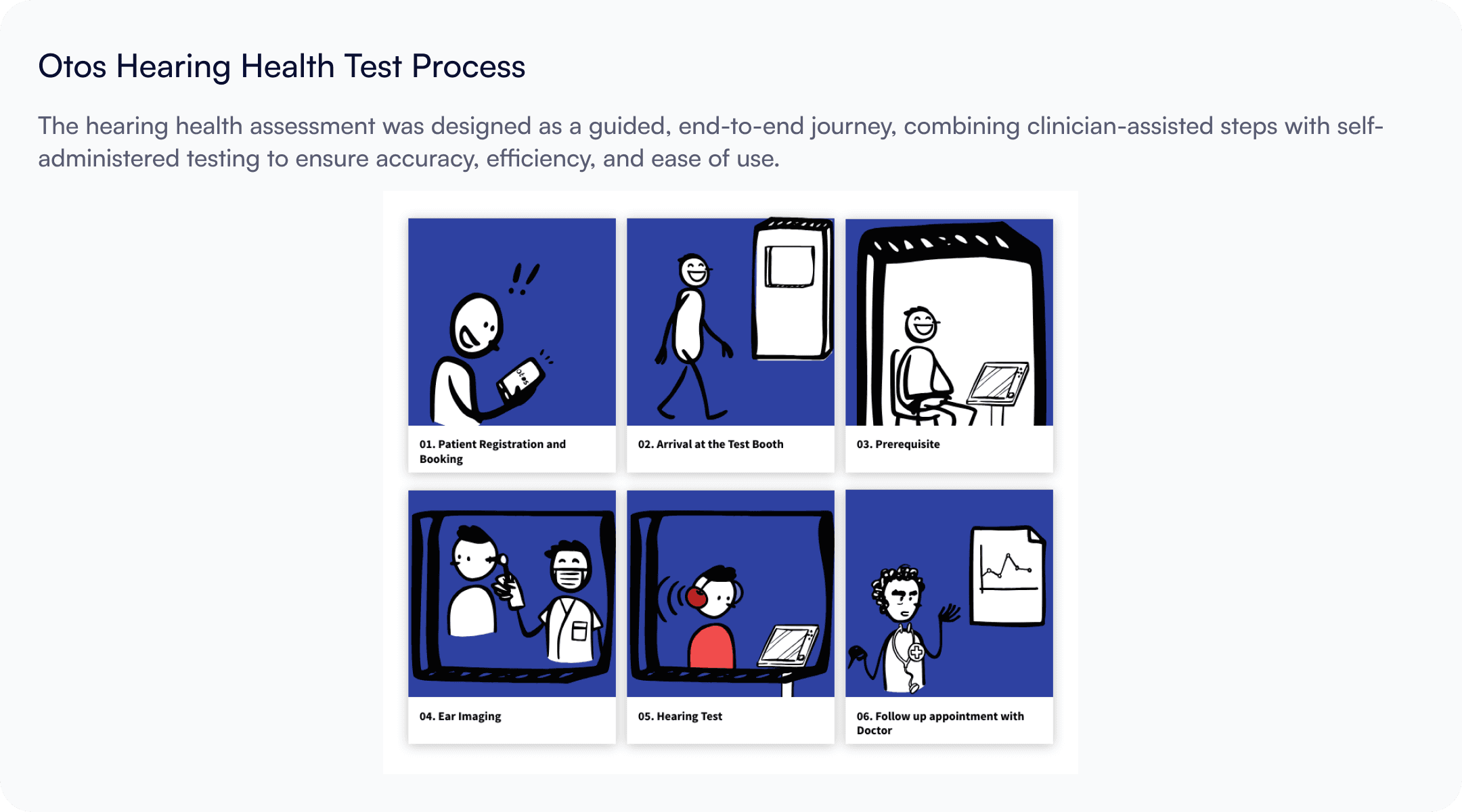
The Otos Hearing Screening Test is a quick test designed to assess an individual's hearing ability. The main goal was to develop an affordable solution for large-scale hearing services that can diagnose and refer multiple patients efficiently. It will considerably reduce patients' waiting time and the healthcare professional’s (HCP) time in treating patients.
Research Questions
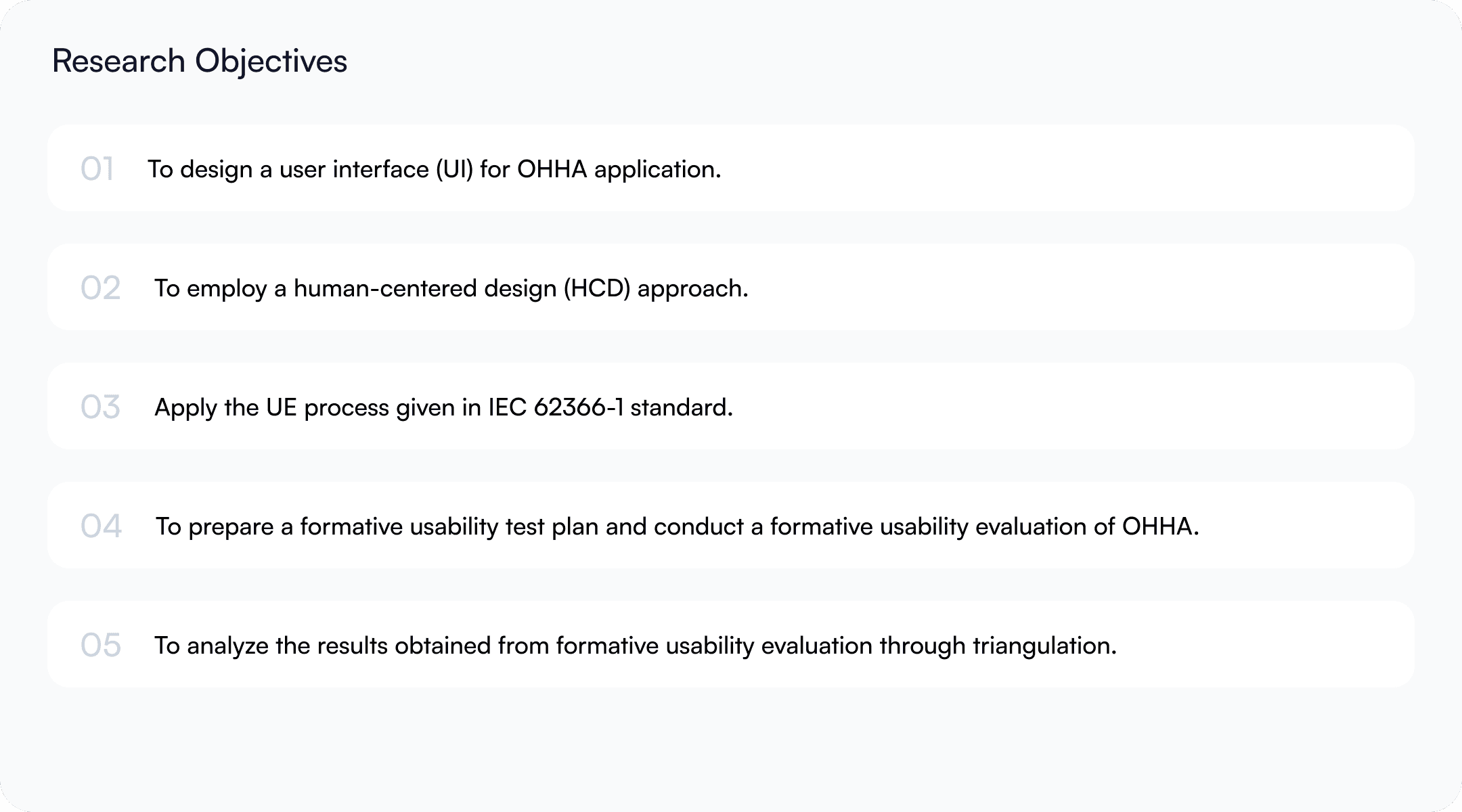
The project tried to address the following research questions.
Human Centered Design Process
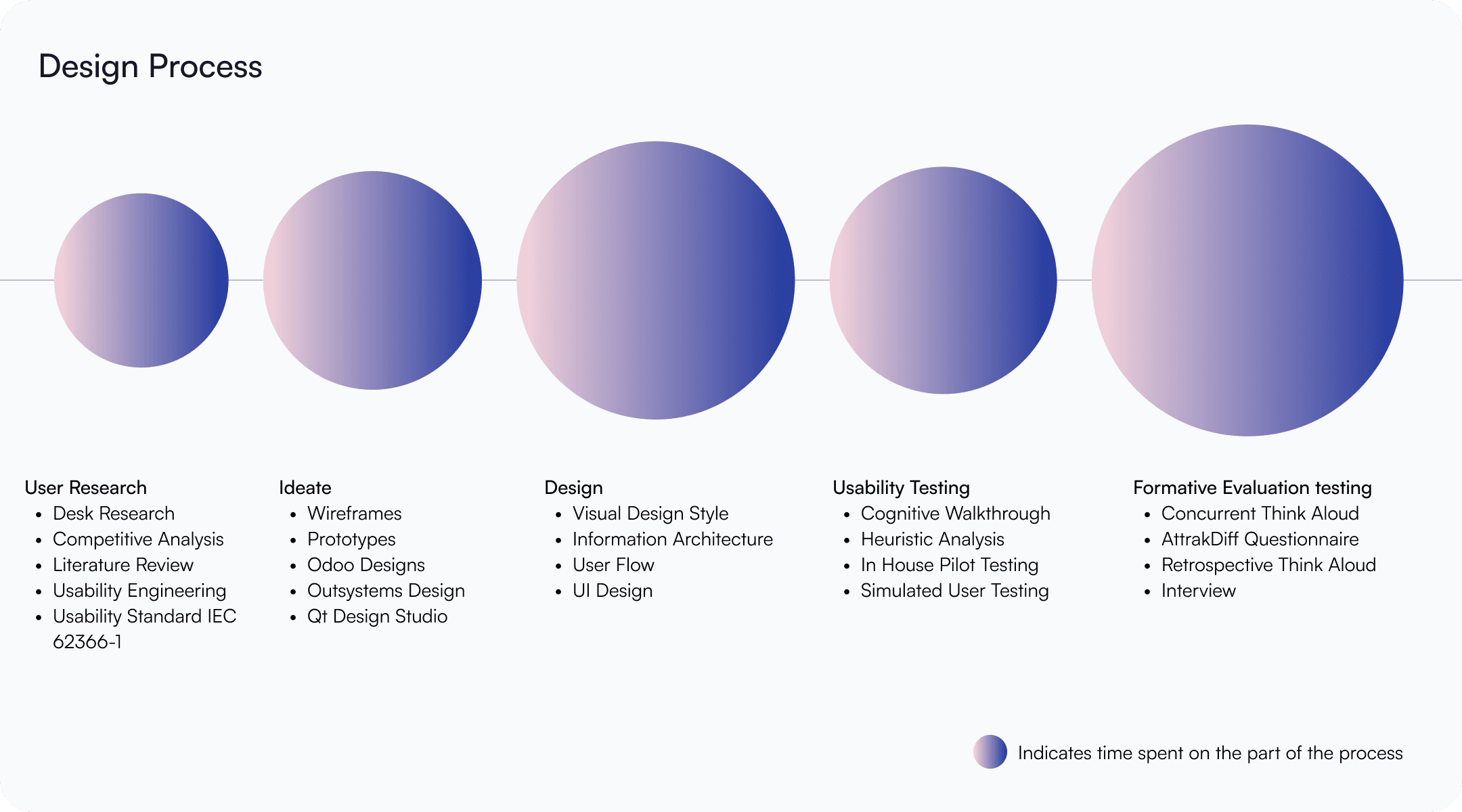
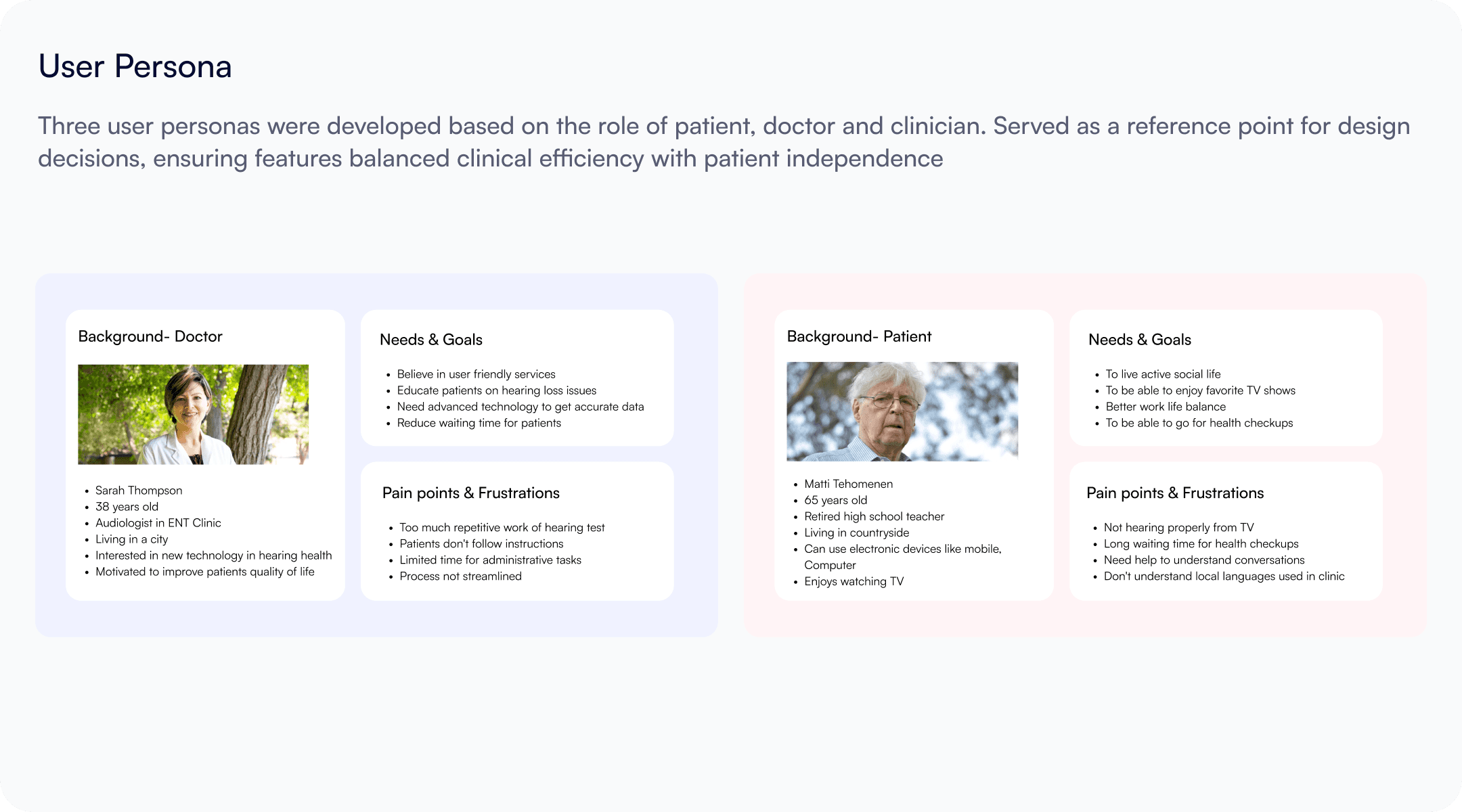
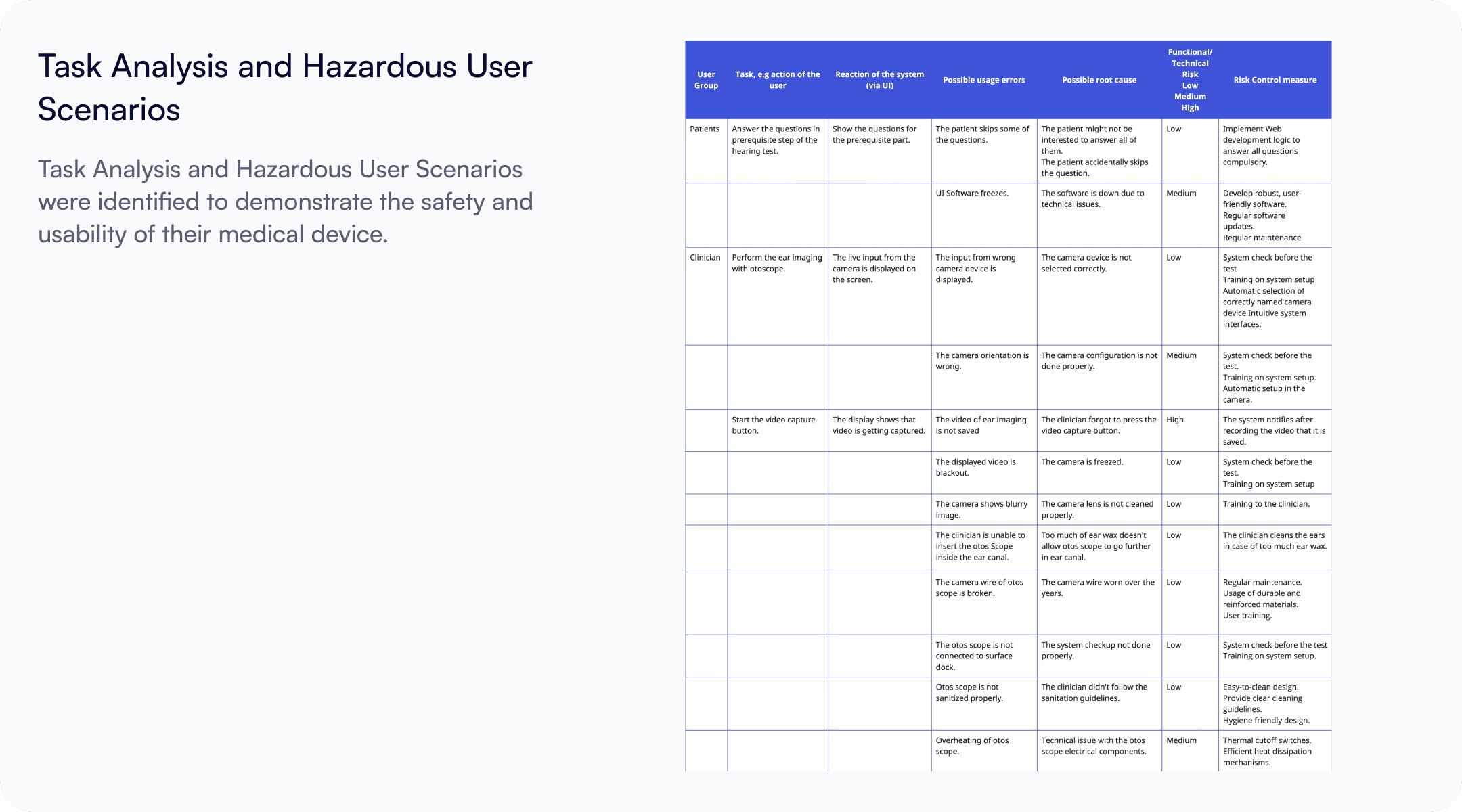
The OHHA application was designed using a human-centered design lifecycle. The process began with understanding user needs through research, personas, and hospital visits. These insights were then translated into user goals and design requirements, ensuring the UI matched users’ cognitive, perceptual, and physical abilities. Low-fidelity prototypes were tested early to allow cost-effective improvements. Finally, high-fidelity prototypes were tested with end users, and the findings informed the next iteration of design and development.
Test Environment for Usability Testing
Formative usability evaluation was conducted with 30 participants (ages 18–70). The OHHA was conducted in the soundproof booth. The Wizard of Oz method, as a moderated research method, was adopted. The setup for the moderator to monitor the test was arranged just outside the test booth. It allowed testing of UI at the prototype stage without developing it. It provided early feedback on utility, desirability, and usability by saving time and resources.
Formative Usability Testing Results
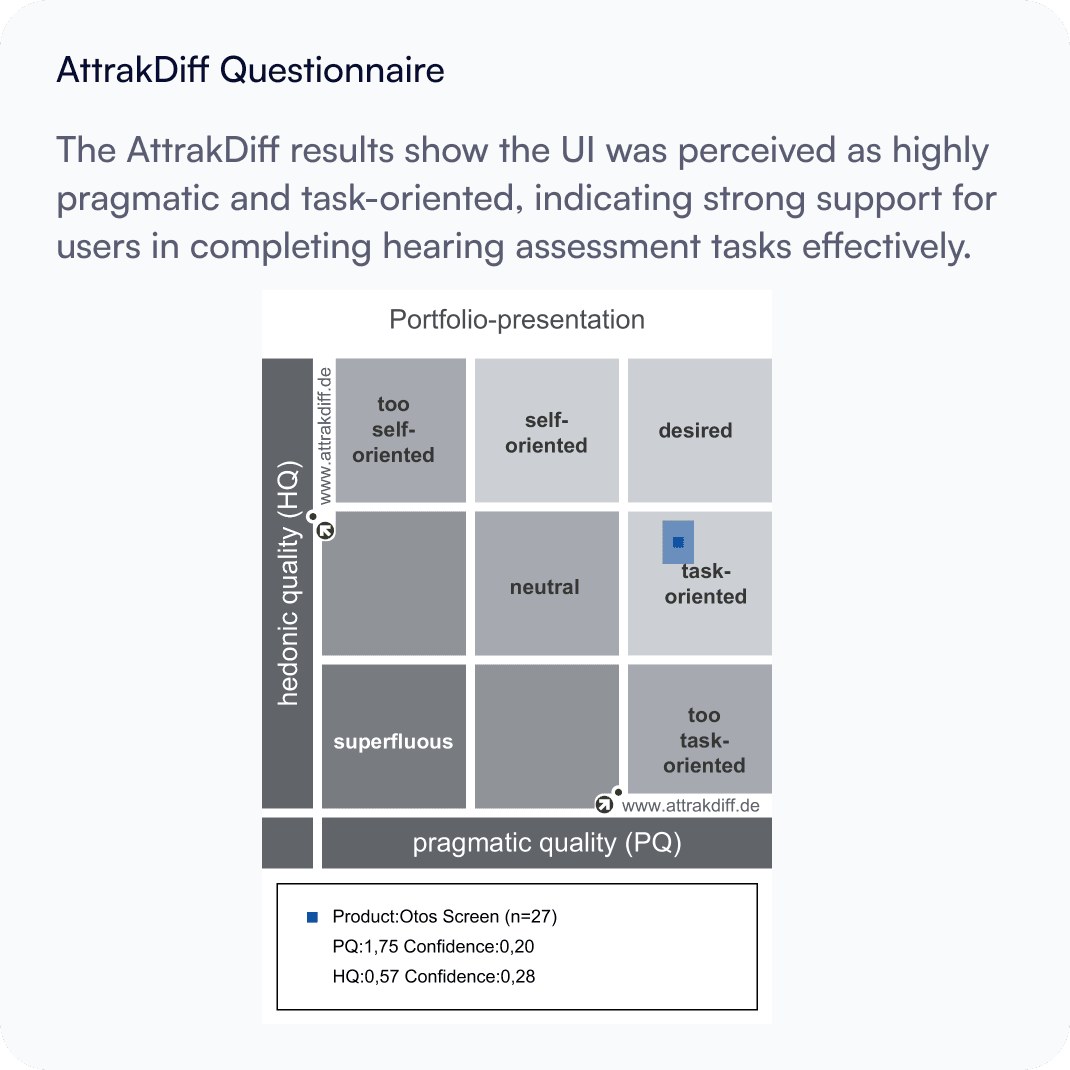
The triangulation of results helped to conclude the findings from AttrakDiff questionnaire, interviews, and the think-aloud method.
AttrakDiff Results
The product's UI was rated as task-oriented.
The portfolio of results clearly shows that the UI is very pragmatic.
As the hedonic quality is only average, there is a need for more improvement in aesthetics.Reflexive Thematic Analysis
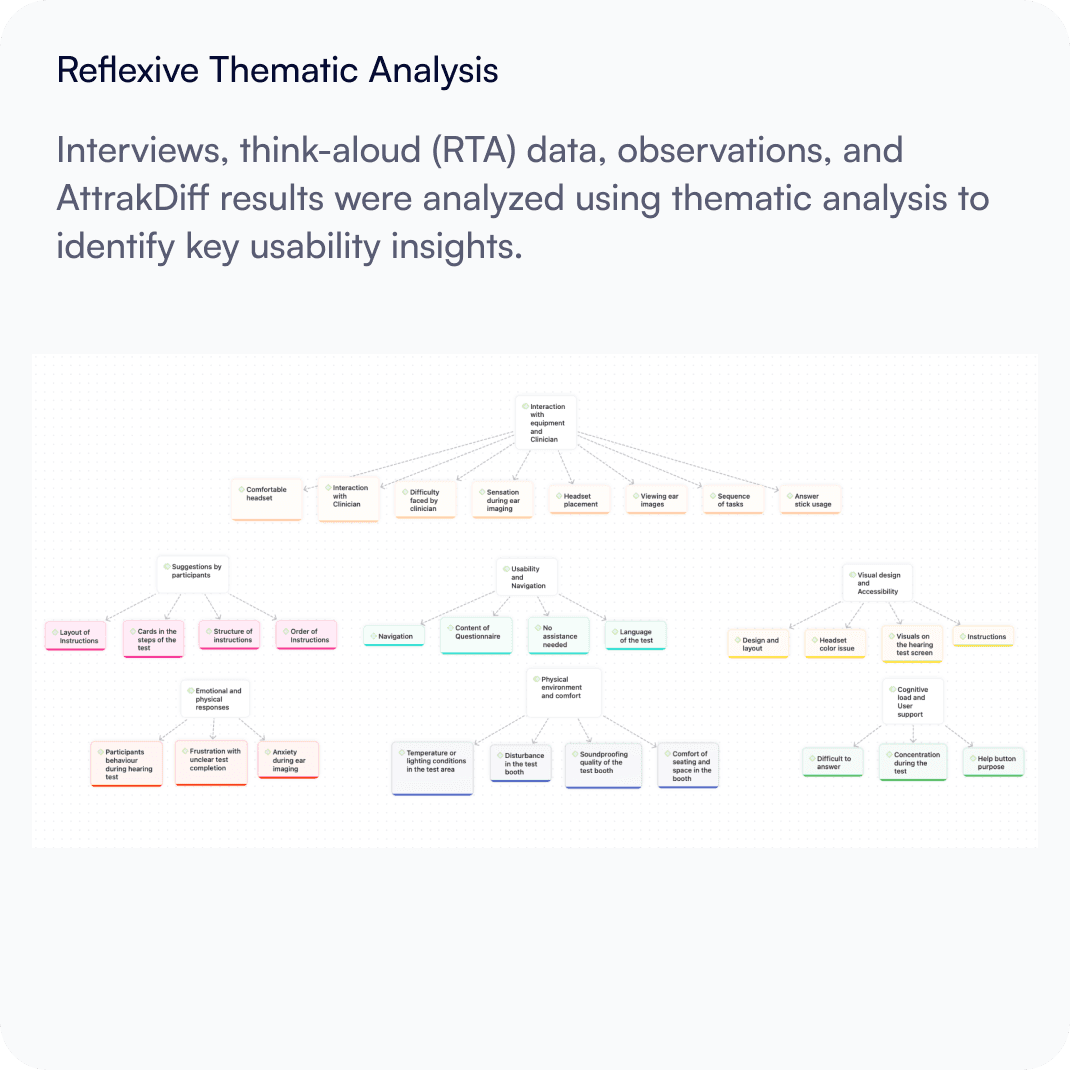
Thematic analysis was used as a qualitative analysis method and used Atlas for the qualitative data analysis. The themes that emerged from the reflexive thematic analysis provided significant insights into the usability issues and overall user experience of the application.
Sprints and Prototype Testing with Figma, Odoo, Outsytems and Qt
In the first sprint, the initial UI design was sketched based on the original concept of the Otos product. The ideation was done with Figma, where the basic user flow and interface elements were mapped out. Odoo, a low-code platform, was used for the actual prototyping. Usability tests were conducted within the team, and feedback was gathered from doctors and audiologists. It helped to reveal the limitations of the product concept and the Odoo platform.
To address these limitations, the team switched to another low-code platform called OutSystems. However, a good working prototype was developed on it. During testing, it was found that OutSystems had design limitations and technical challenges, like limited storage space for media, which would create problems when testing with a large number of participants.
For the third sprint, the team decided to return to Figma. It was easier to make changes in Figma, based on the feedback received from the team and pilot testing. The initial plan was to integrate Figma design with Qt using the plugin. However, the integration between Figma and Qt proved to be challenging, so prototyping was further completed with Figma’s prototyping tools. This iterative process of testing revealed several limitations of different platforms.
FINAL DESIGNS
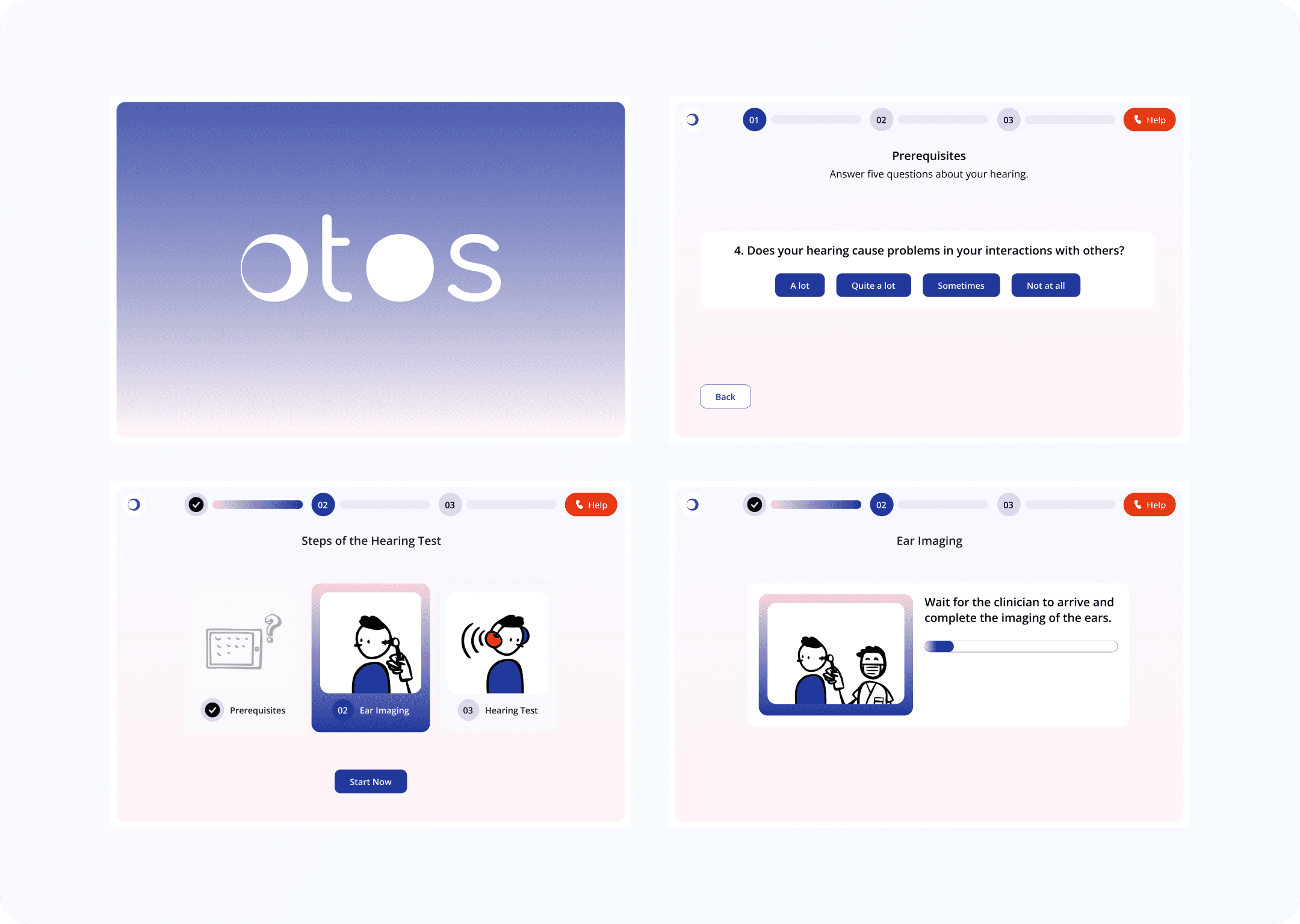
Hearing Screening Home Screen
The home screen was designed to immediately reassure elderly users with a calm, uncluttered layout. A clear call-to-action and minimal navigation guide users to begin their self-administered hearing test with confidence and without prior instruction.
Test Flow & Results Screens
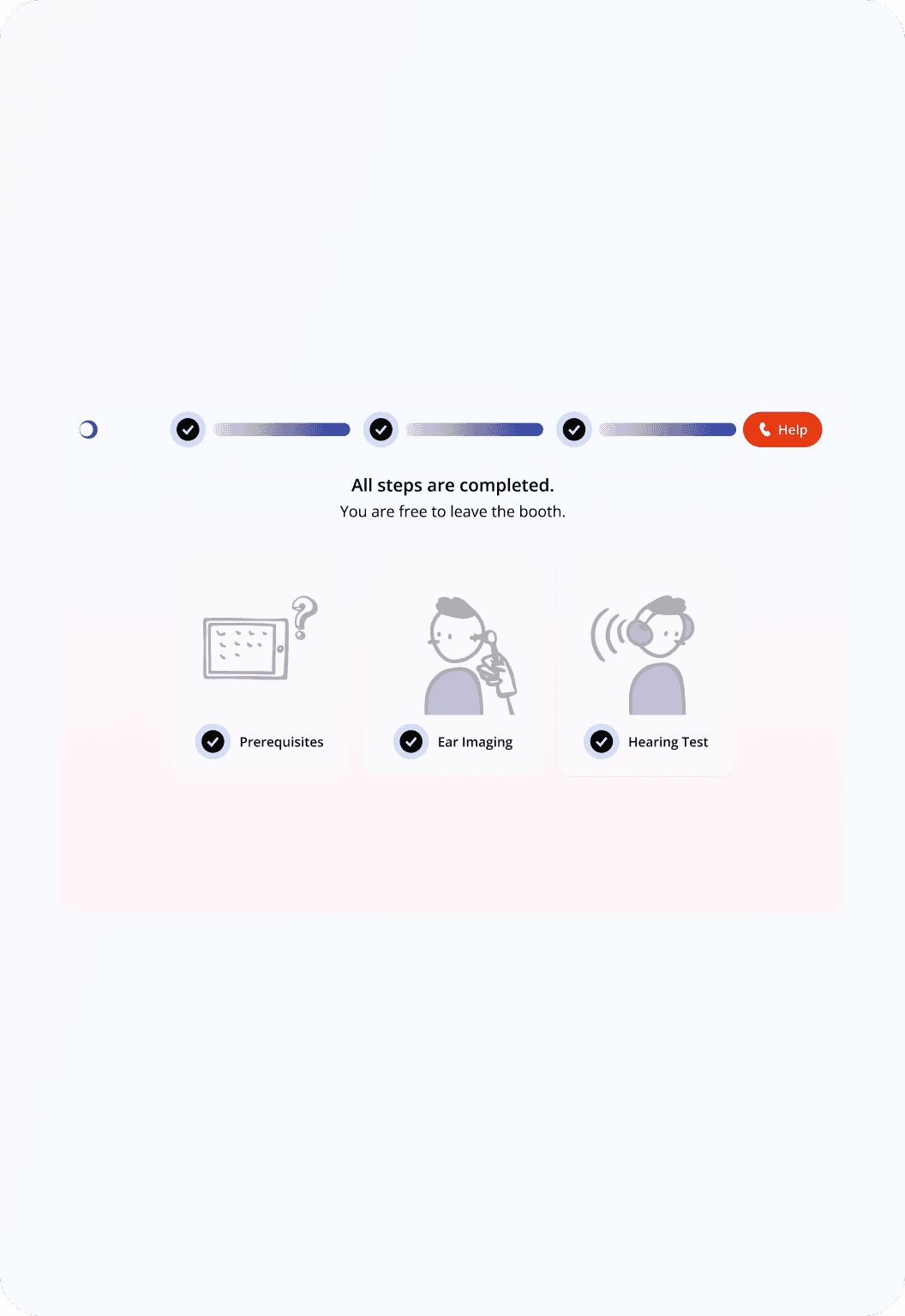
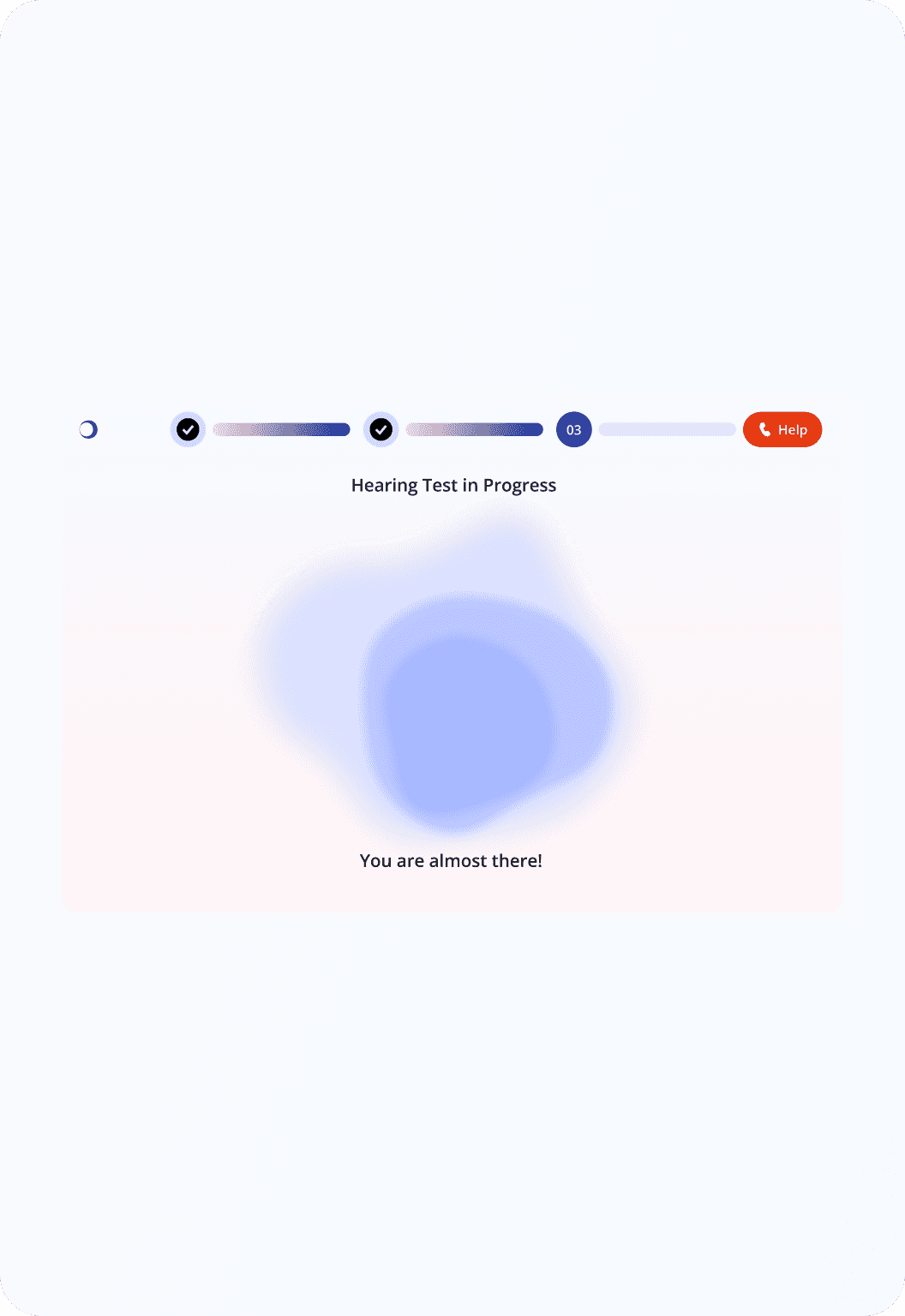
The step-by-step hearing test flow and results screens provide clear visual feedback with plain-language outcomes. Accessible typography, large touch targets, and progress indicators ensure users of all ages can comfortably complete and understand their assessment independently.
Learnings
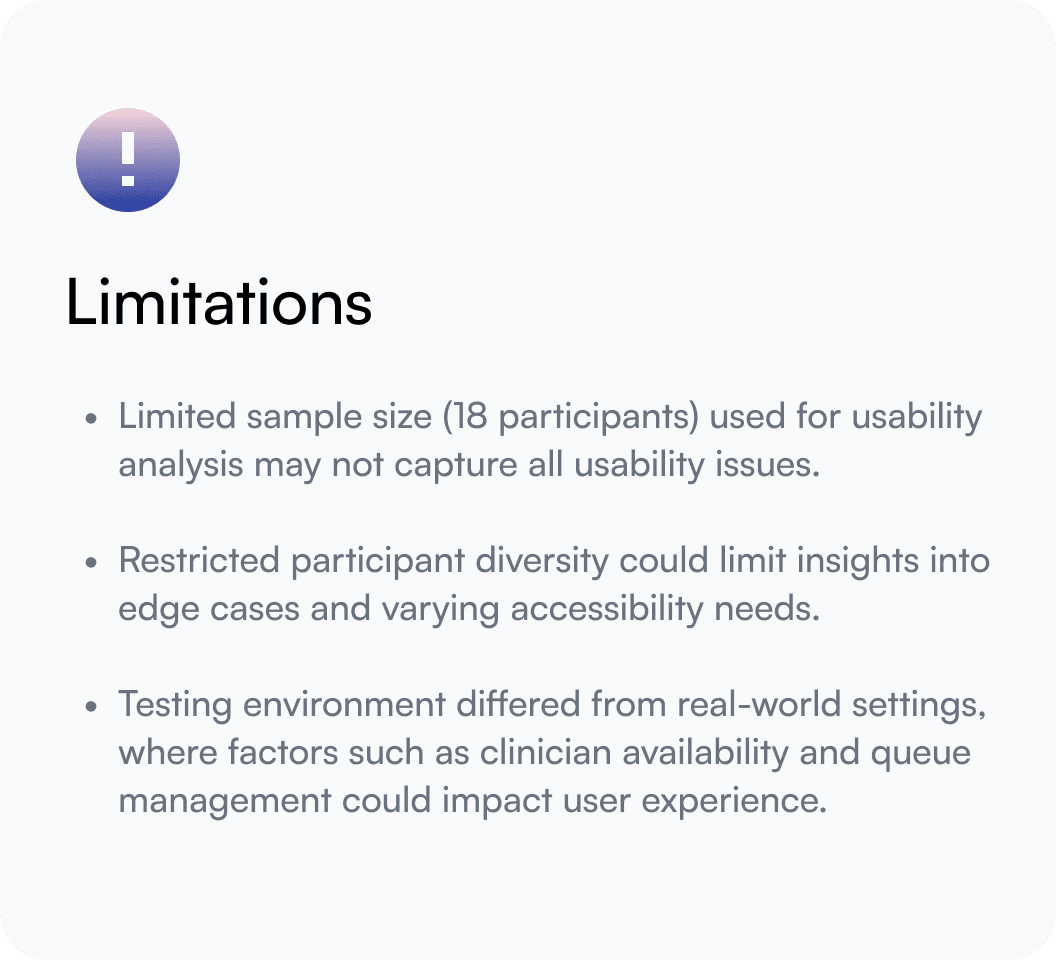
This project taught me how different designing for healthcare is compared to regular digital products.
Formative Usability Evaluation Methods
Concurrent and Retrospective Think Aloud (CTA & RTA)
For formative tests of Otoscreen, a hybrid method combining CTA and RTA was adopted. The participants were asked to perform RTA with the classic approach immediately after the completion of the task to prevent memory decay. Also, the Otos screen tablet was provided as a cue.
AttrakDiff Questionnaire
The AttrakDiff questionnaire was employed as a post-test evaluation tool to capture participants' subjective impressions of OHHA. It assessed the usability, emotional, and aesthetic appeal of the system.
Semi-Structured Interview
The semi-structured interview questions were designed for the evaluation of OHHA. The RTA and Interview were combined. This unique combination of RTA and semi-structured interviews provided deeper insights into the user’s thought process and their experience with the system.